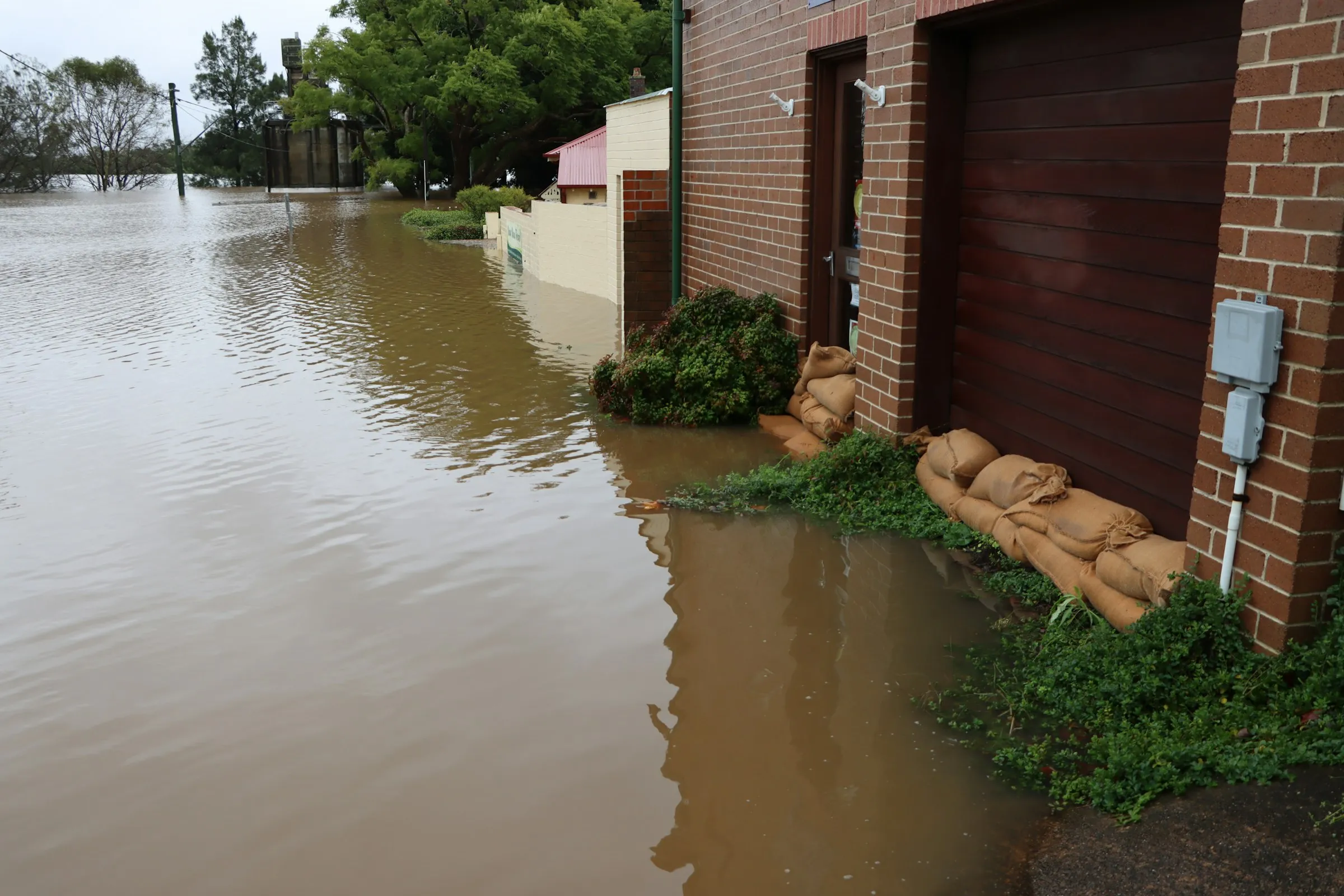
East Texas · free to ask
Water Damage Restoration in Tyler, Longview & East Texas
What to do in the first hour, what restoration actually involves, and what it costs in Tyler, Longview and the rest of East Texas.
Free to ask. No obligation.
Water still coming in?
Do these 5 things now
In this order. Skip any step that isn't safe.
Shut off the water
Close the main valve or the valve under the sink or toilet, or unplug the leaking appliance.
Stay out of wet rooms with power
Never walk through standing water near outlets, cords or the breaker panel.
Get things off the floor
Lift furniture, rugs and valuables off wet flooring.
Photograph everything
Photos and video before anything is moved or thrown out. Your insurer will ask for them.
Request a call back
If water is still spreading, tell us below. The sooner drying starts, the less gets torn out.
Whatever got wet
Water damage restoration services
Leak, flood, sewage, mold or fire. Request a call back and a local company can look at it, with a written estimate before any work starts.
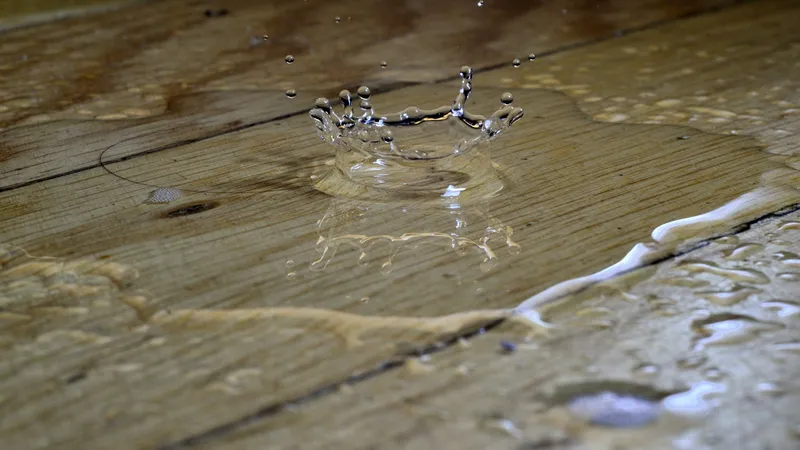
Water Damage Cleanup
Water pulled out, the structure dried, and what can't be saved replaced.
Learn more →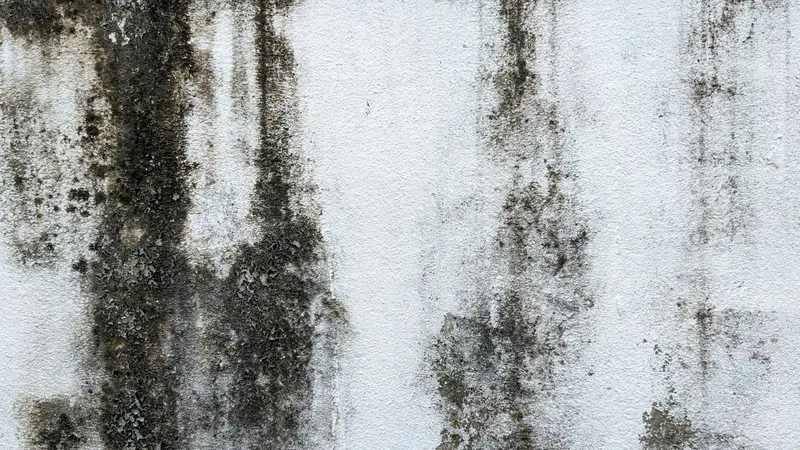
Mold Remediation
Musty smell or dark spots? Mold over 25 sq ft needs a Texas-licensed remediation contractor.
Learn more →
Fire & Smoke Damage
Board-up, tarping, soot and smoke odor removal once the fire department clears you.
Learn more →
Burst & Frozen Pipes
A split pipe can pour water into your home in minutes. Shut off the main, then call.
Learn more →
Flood Cleanup
Floodwater is contaminated. Soaked drywall and carpet usually come out, not just dry out.
Learn more →
Sewage Cleanup
Black water carries germs that make people sick. Keep everyone out and let a company equipped for it clean up.
Learn more →Not sure what you need?
Tell us what you're seeing and we'll get the right kind of company on the line.
How it works
What happens after you reach out
A few quick questions, then we line up the right crew for your town. No pressure at any step.
You tell us what happened
A few quick questions: what happened, where you are, and whether water is still spreading.
We line up the right crew for your town
We'll get someone out to look at it and give you a straight answer.
You see the numbers first
Ask for a written, itemized estimate and check it against the cost ranges on this page.
You decide
Nothing starts until you approve it. Not the right fit? You're free to say no.
Can't talk right now?
Request a call back
Leave your number and a line about what happened, and we'll call you back.
- Free, with no obligation.
- We line up the right crew for your town.
- You see the price first. No pressure.
Why today matters
The clock you're up against
No surprises
Know what it should cost before anyone starts
What it usually costs
National 2026 data puts the average job at $2,000 to $6,000. Extraction and drying run about $4 to $12 per sq ft, with rebuilding on top. Get a written, itemized estimate and hold it up against these numbers.
See the full cost guide →What insurance usually covers
Sudden, accidental damage, like a burst pipe or a failed washer hose, is usually covered. A slow leak usually isn't, and flooding needs a separate flood policy. Photograph everything before cleanup and confirm coverage with your agent.
Read the insurance guide →Before you sign anything
6 questions to ask any restoration company
You choose who to hire. These help you choose well.
Service areas
Water damage help in 13 East Texas towns
From Tyler to the towns between. Tell us where you are and we'll get back to you, across Smith, Gregg, Harrison, Rusk, Upshur, Van Zandt, Wood, Cherokee counties.
The full guide
Water damage restoration in East Texas, in depth
Last reviewed
What to do first if you have water damage
Stop the water at the main shutoff, stay clear of wet rooms with power on, then move valuables and photograph the damage. Do these in order, and skip any step that isn’t safe.
- Stop the water. Shut off the main valve, the supply line under a sink or toilet, or unplug the leaking appliance.
- Stay clear of electricity. Never wade through standing water near outlets or a breaker panel.
- Move what you can. Get valuables and furniture off wet flooring.
- Document everything. Take photos or video before anything is moved or thrown out. Your insurer will likely ask for them.
- Get help lined up. The faster wet materials are dried, the less likely you are to need mold removal or new flooring, drywall and cabinets.
What water damage restoration actually involves
Water damage restoration is a five-step job: inspection, water extraction, drying and dehumidification, moisture mapping, then cleaning and repairs. It is not just running a fan and hoping for the best.
- Inspection and assessment. A technician checks how far the water traveled, what materials got wet, and whether the water is clean, gray, or contaminated, often with moisture meters and thermal imaging. This determines the plan and the equipment needed.
- Water extraction. Standing water is pumped or vacuumed out with truck-mounted or portable extraction equipment. The faster this happens, the less water soaks into the subfloor, framing and insulation.
- Drying and dehumidification. Industrial air movers and low-grain refrigerant (LGR) dehumidifiers are set up to pull moisture out of the structure. This stage usually runs several days, with equipment left running continuously.
- Moisture mapping. Technicians use moisture meters to check walls, floors and framing throughout the job, so the space isn’t called “dry” based on a guess. This step confirms the structure has actually returned to a normal moisture level before equipment comes out.
- Cleaning and repairs. Depending on what was affected, this can mean cleaning and disinfecting surfaces, replacing wet drywall or insulation, refinishing or replacing flooring, and repainting.
Categories and classes of water damage
Restoration crews generally describe a job using the IICRC S500 standard, the industry reference for water damage restoration. It splits a loss into two things: how contaminated the water is (category) and how much of the structure got wet (class).
| Category | What it is | Typical sources | Handling |
|---|---|---|---|
| 1: Clean water | Sanitary source, no immediate health risk | Broken supply line, clean sink or tub overflow | Standard extraction and drying |
| 2: Gray water | Some contamination, can cause illness on exposure | Dishwasher or washing machine overflow | Extra cleaning and antimicrobial treatment |
| 3: Black water | Grossly contaminated | Sewage backup, toilet overflow with waste, rising floodwater | Protective gear, removal of porous materials, disinfection |
Classes describe how much of the structure absorbed water and how hard the job will be to dry, ranging from Class 1 (a small, partially affected area with low absorption) up to Class 4 (water trapped in materials like hardwood, plaster, or concrete that takes specialized, extended drying). Any category can occur with any class, so a small clean-water leak and a widespread black-water flood are handled very differently even though both count as water damage.
Why East Texas homes see water damage
East Texas water damage comes mainly from hard freezes that burst pipes, heavy thunderstorm rain and flash flooding, and everyday failures like water heaters, washer supply lines and slow roof leaks. Winter freezes are one of the biggest. During the Great Texas Freeze of February 11 to 20, 2021, every county in the state was placed under a Winter Storm Warning, and NOAA calls it the coldest winter storm for Texas since December 1989.
The insurance numbers show how much of that became property damage. The Texas Department of Insurance counted 510,772 claims and about $11.2 billion in expected insured losses from the event, driven largely by frozen pipes. Smith County alone reported 3,533 claims and $116.3 million in paid losses, one of the 25 hardest hit counties in Texas.
Beyond freezes, Smith County (Tyler) and Gregg County (Longview) regularly see flash flood warnings tied to heavy thunderstorms, which can push water into homes near creeks, low-lying streets and underpasses. Add an aging water heater, a supply line that fails behind a washing machine, or a slow roof leak that finally shows up as a ceiling stain, and restoration calls come in year-round, with the sharpest spikes after a freeze or a heavy storm.
What it costs
Costs vary a lot based on how much water, how many rooms, and what materials were affected, so treat any number as a starting point rather than a quote. HomeGuide’s 2026 national cost data puts the average job at $2,000 to $6,000. Extraction and drying typically run $4 to $12 per square foot depending on the water category, while rebuilding damaged materials (drywall, flooring, trim) is priced separately on top of that. For a fuller breakdown, see our water damage cost guide.
Always get a written, itemized estimate from the company that does the work before it begins, and ask how they’ll handle anything insurance doesn’t cover.
What insurance typically covers
Most standard homeowners and renters policies in Texas cover water damage that’s sudden and accidental, like a pipe that bursts or a washing machine hose that fails, according to the Texas Department of Insurance. If mold develops on an item damaged by that covered event, it is usually covered too. Two common gaps trip people up: damage from a leak that built up slowly over time, which policies usually exclude, and damage from flooding, meaning water that enters from outside the home. Flood damage requires a separate flood insurance policy. For more detail on filing a claim and what to expect, see our insurance and water damage guide.
Mold risk and timing
Materials that stay wet for more than 24 to 48 hours are at real risk of mold growth, according to the EPA. That window is the main reason restoration companies emphasize a fast response: the sooner extraction and drying start, the less likely you are to need separate mold remediation on top of the repair. If mold does show up and covers 25 contiguous square feet or more, Texas law requires that remediation be handled by a contractor licensed by the Texas Department of Licensing and Regulation (TDLR) rather than a general handyman or unlicensed crew. Learn more on our mold remediation page.
How to choose a water damage restoration company
Choose a company that can show its IICRC certification, gives you a written itemized estimate, and explains how it works with your insurer. A short checklist:
- IICRC certification. Look the company up on the IICRC Global Locator, which lists certified firms and technicians.
- A written, itemized estimate that separates extraction and drying from repairs, before any work starts.
- Insurance paperwork. Ask who documents the loss with photos and moisture readings, and who talks to your adjuster.
- A TDLR license for mold work. If mold is involved, check the license on TDLR’s license search.
- Local references from recent jobs in your area.
Our About page has a longer list of questions to ask the company that does your job.
Water damage in businesses and rental properties
Businesses and rental properties need the same fast drying, but the insurance and the decision-maker differ. A commercial property policy has its own terms, so check it with your agent rather than assuming it matches a homeowners policy.
If you rent, tell your landlord or property manager right away, since the building is theirs to repair. The Texas Department of Insurance notes that your landlord’s insurance won’t cover your personal items; renters insurance covers your belongings and can pay extra living costs if a covered loss forces you out for a while.
Towns we help in
We help homeowners and businesses across Smith, Gregg, Harrison and nearby counties. See water damage restoration in Tyler and water damage help in Longview, or browse all East Texas service areas.
Related situations we help with
Besides leaks and appliance failures, we help with burst and frozen pipes, flood cleanup, sewage backups, mold and fire damage. If a pipe froze and split during a cold snap, see our burst and frozen pipes page. If rising water came from outside the home rather than a plumbing failure, see flood cleanup. If the water came from a backed-up drain or sewer line, see sewage cleanup, since that contaminated water needs different handling than a clean supply line break. Smoke and soot after a fire are covered on our fire and smoke damage page, and if standing water sat long enough for growth to start, see mold removal and remediation.
Water damage questions, answered straight
What does water damage restoration include?
It typically includes an inspection to find the source and extent of the water, extraction of standing water, setting up air movers and dehumidifiers to dry the structure, moisture mapping to confirm everything is dry, and then repairs such as drywall, flooring or trim. Some jobs also need cleaning and disinfecting, especially if the water was contaminated.
How much does water damage restoration cost?
HomeGuide's 2026 national cost data puts the average job at $2,000 to $6,000, depending on how much water, how many rooms, and what materials were affected. Extraction and drying typically run $4 to $12 per square foot, rising with how contaminated the water was, and rebuilding damaged materials is priced on top of that. Get a written, itemized estimate from the local company before work starts, since your actual cost depends on your specific home.
Will my homeowners insurance cover the water damage?
Usually yes if the water damage was sudden and accidental, like a burst pipe or an overflowing appliance. Standard homeowners policies typically exclude water damage from a slow, gradual leak and from flooding, which needs a separate flood policy. Confirm your specific coverage with your agent or insurer before you assume anything is or isn't covered.
How long does it take for a house to dry out after water damage?
Most residential jobs take about 3 to 7 days with commercial air movers and dehumidifiers running continuously. Clean water losses on hard surfaces often dry in 3 to 5 days; water that has soaked into carpet pad, framing or insulation can take longer. Drying time also depends on how quickly extraction started after the water first got in.
How quickly can mold start growing after water damage?
Materials that stay wet for more than 24 to 48 hours are at real risk of mold growth, according to the EPA. That's the main reason restoration companies talk about responding fast: the sooner water is extracted and the space is dried, the less likely mold becomes.
Is water damage always permanent?
No. Clean water on hard, non-porous surfaces (tile, sealed concrete, some hardwoods) can often be dried and saved if it's caught quickly. Porous materials like drywall, carpet padding, and particleboard cabinets that stay wet too long, or anything touched by contaminated water, usually need to be removed and replaced rather than dried in place.
Do I need a mold inspection after a water damage job?
If drying started within a day or two and the space tested dry afterward, a full mold inspection often isn't necessary. If water sat for several days, if you notice a musty smell, or if the affected area is 25 square feet or larger, ask the company about mold testing. In Texas, remediation of mold covering 25 contiguous square feet or more must be handled by a state-licensed Mold Remediation Contractor.

The longer water sits, the more gets torn out.
Request a call backFree to ask. You decide who to hire.